In the Alpes-Maritimes and the Var, where the terrain is often sloped, the retaining wall is the most heavily loaded structure — and one of the most poorly built. A failing retaining wall can tilt, crack or collapse, taking the terrace or the structure it holds back with it. Here are the best-practice rules and the warning signs of poor workmanship.
Retained soil Drain Weep holes Footing Retained soil Drain Weep holes Footing
The structural role of a retaining wall
Unlike a simple decorative low wall, a retaining wall holds back the lateral earth pressure and water. It must withstand three forces: soil pressure, surcharge loads (buildings, vehicles, vegetation) and the hydrostatic pressure of retained water. Its design depends on the height retained, the nature of the soil and the use of the land above. An undersized or poorly drained wall is doomed in the medium term.
Essential best-practice rules
- Foundation (footing): set below the frost line and the desiccation depth, sized to the load.
- Drainage: a drain at the base of the wall and weep holes (drainage outlets) to evacuate water. Without drainage, water builds up, pressure increases and pushes the wall.
- Batter: a slight inward lean (5 to 10%) improves stability.
- Material and reinforcement: compliant reinforced concrete (rebar, correct mix) or properly built stone/rubble masonry.
- Expansion and contraction joints spaced regularly to absorb thermal movement.
Signs of a failing retaining wall
- Bulging (bowing) of the face: uncontrolled lateral pressure.
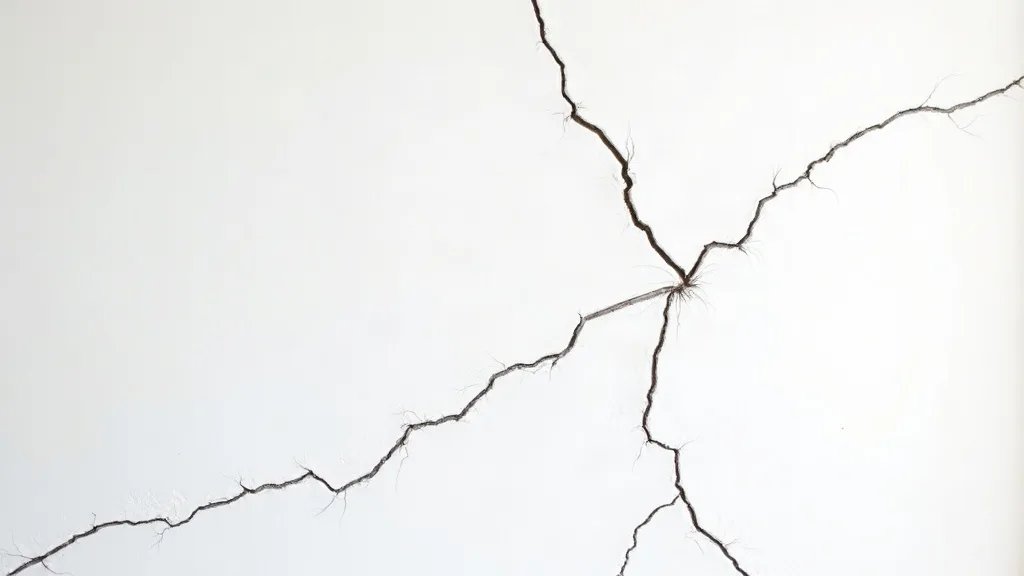
- Horizontal or stepped cracks: failure already underway.
- Abnormal lean (tilting forward).
- Damp staining or vegetation growing out of the joints: drainage missing or blocked.
- Subsidence of the ground uphill or the paving downhill.
What to do if you spot a defect?
A retaining wall showing these signs needs to be inspected quickly. The building expert assesses the severity, determines the cause (design flaw, poor workmanship, missing drainage, inadequate soil) and costs the repair (reinforcement, rebuilding, drainage). As with a poorly built dry stone wall, a badly executed structure falls under defects found during construction or the ten-year structural warranty if the structural soundness is compromised. If your contractor has walked off the job, see our guide on contractor site abandonment.
📅 Updated on 24/07/2026 — By Cassini Expertise, independent building expert covering the 06 & 83. Free quote: 04 22 46 06 04.
Read more:
Frequently Asked Questions
What height requires a permit for a retaining wall?
Generally, a retaining wall under 2 metres high does not require a building permit, but a prior declaration may be required. In the 06 and 83, always check your commune’s local development plan (PLU), as stricter rules may apply.
How can I tell if a retaining wall is well built?
Signs of good workmanship include proper drainage (pipes and gravel), expansion joints, quality concrete and sufficient anchoring. Watch out for sloped cracks, bulging, or a lack of weep holes, which often indicate poor execution.
What does a retaining wall cost in the 06 or 83?
Expect to pay between €300 and €800 per m² depending on height, materials and site access. In the 06 and 83, costs can be higher in mountainous areas or where site access is difficult. Get several detailed quotes.
Cassini Expertise
Expert du bâtiment indépendant — Antibes (06·83·13·40)
📅 Mis à jour le 25/09/2026 — Cassini Expertise, expert bâtiment indépendant (06·83·13·40).