Does your home insurance cover cracks? The answer depends on the cause of the damage and the type of policy you hold. Here’s what you need to know so you don’t miss out on your rights.
The different scenarios
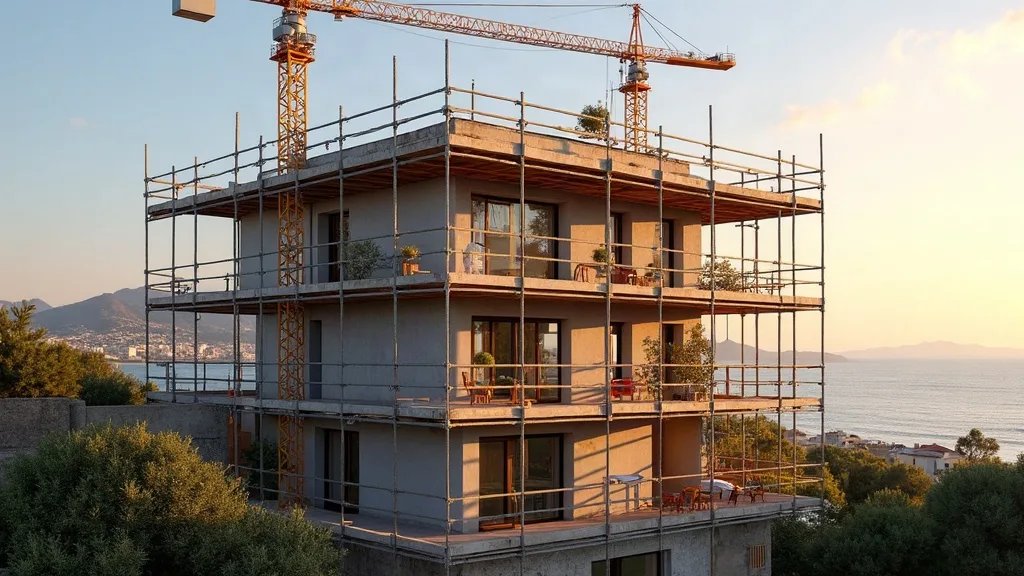
- Natural disaster (drought) cover: If your municipality has been declared a natural disaster area, your home insurance covers the damage, subject to the statutory excess (€1,520).
- 10-year builder’s warranty: Structural cracks are covered by the builder’s 10-year warranty, not by your home insurance.
- Inherent defects (Dommages-Ouvrage) insurance: This policy provides rapid compensation for damage covered under the 10-year warranty, then recovers the cost from the builder.
- Accidental damage / water damage cover: A crack causing water infiltration may be covered under water damage provisions.
What to do if you find cracks
- Report the claim to your insurer immediately
- Keep photos and videos showing how the cracks develop
- Have an expert install crack-gauge monitoring
- Check whether your municipality has been declared a natural disaster area
- If your claim is refused, request an independent counter-expert assessment
Read your policy’s exclusions carefully
Comprehensive home insurance policies almost always include an exclusion clause for lack of maintenance or pre-existing construction defects dating from before the policy was taken out. This is the most common reason insurers give for refusing claims, so it’s essential to document the property’s condition (photos, surveys) from the moment you buy or move in, so you can prove the cracks appeared after — not before — the start of cover.
The role of your broker or agent in a dispute
Before formally disputing a decision, it can help to contact your insurance broker or agent, who has a duty to advise you and can sometimes intervene internally with the claims department to have a file reviewed — a step that’s often free and quick, and shouldn’t be overlooked before commissioning a formal counter-expert assessment.
Legal protection cover: an under-used lever
Many home insurance policies include legal protection cover, which can fund all or part of a lawyer’s and an expert’s fees in a dispute with the insurer itself or with a third party (builder, neighbour). Checking this cover before incurring any costs is a step that’s often forgotten but can be well worth it.
FAQ
Should I stop repair work while waiting for the expert assessment? Yes, as far as possible: carrying out work before the expert’s visit can be seen as destroying evidence and may complicate your compensation claim, except for emergency measures needed to prevent the situation worsening (danger, active infiltration).
Is a refusal to pay out final? No: an initial refusal never rules out a new claim backed by additional technical evidence (counter-expert assessment, crack-gauge monitoring, a new natural disaster declaration).
Cassini Expertise — Independent building expert, Alpes-Maritimes (06) & Var (83).
📅 Updated on 10 August 2024 — By Cassini Expertise, independent building expert covering the Alpes-Maritimes & Var. Free quote: 04 22 46 06 04.
Read more:
Frequently asked questions
Are cracks covered by home insurance?
Yes, if they result from a covered event such as a natural disaster (drought, flooding). Progressive damage or damage linked to a construction defect is not covered by a standard home insurance policy.
What should I do if my insurer refuses to cover cracks?
Check the terms of your policy and the natural disaster declaration. If the refusal seems unjustified, contact the insurance ombudsman or take the matter to court. Also call in an expert to assess the causes.
How do I report cracks to my home insurer?
Report the claim in writing (registered letter) within 5 working days of noticing the damage. Attach photos, invoices and any documents proving the cause. For a natural disaster claim, you have 10 days after the official decree is published. This legal requirement is set out in Articles L.125-1 to L.125-6 of the French Insurance Code, which govern the deadlines and procedures for reporting claims.
Cassini Expertise
Expert du bâtiment indépendant — Antibes (06·83·13·40)
📅 Mis à jour le 25/09/2026 — Cassini Expertise, expert bâtiment indépendant (06·83·13·40).