The scenario is unfortunately common: a contractor starts the work, disappears, and you’re left with a stalled worksite and unfinished construction — sometimes already poorly executed. What should you do? The procedure must be rigorous, because every step determines your right to compensation.
Step 1: Establish the abandonment and the state of the worksite
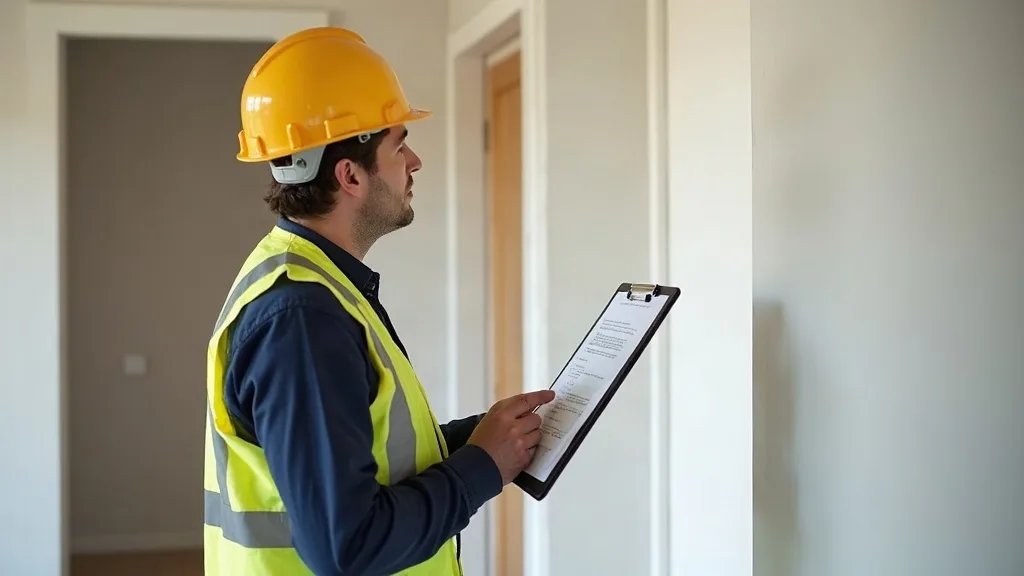
Your first move should be to freeze the situation in writing. Have the abandonment and the state of the works recorded by a court bailiff (bailiff’s report). This dated, legally admissible report, backed by photographs, is admissible in court: it proves the worksite stopped, the date, and the stage the work had reached. Back it up with dated photos, correspondence (texts, emails, signed quote) and the original schedule.
Step 2: The formal notice
Send the contractor a formal notice by registered letter with acknowledgement of receipt, requiring them to resume work within a reasonable period (generally 8 to 15 days) or face termination of the contract for their fault. This formality is an essential prerequisite to any legal action: it establishes the contractor’s default and sets the starting point for any late-penalty clock.
Step 3: Terminating the works contract
If the contractor still fails to resume, you can terminate the contract at the contractor’s exclusive fault. Termination relies on breach of contract (Articles 1217 and 1231-1 of the French Civil Code). It must be notified by registered letter with acknowledgement of receipt. This termination entitles you to:
- Reimbursement of deposits paid for work that was never carried out.
- Damages for the loss suffered (delay, cost of having the work completed by another party).
- Late-payment penalties if provided for in the contract.
Step 4: Having the work completed by another contractor
Once the contract is terminated, you can hand the completion of the work to another professional. Keep all quotes and invoices for the completion work: they will be used to calculate your loss. The difference between the original price and the cost of completion, plus related expenses, constitutes the damages claimable from the defaulting contractor.
The role of the building expert
The building expert plays a dual role. First, they assess the condition of the abandoned work and check its compliance with standard building practice: unfinished work is often already affected by defects (which is often the case). Second, they calculate the cost of remedial work (partial demolition, repairs, completion). Their objective report is the cornerstone of an amicable settlement or legal proceedings.
Warranties and specific remedies
Important: statutory warranties (perfect completion, two-year, ten-year structural) only start running from the date of acceptance of the works. If the contractor abandons the site before acceptance, liability falls under ordinary contract law (contractual liability). If the contractor holds ten-year liability insurance, you can also file a claim with their insurer. If the contractor is insolvent, action can be brought against their insurer or, in some cases, against the project manager overseeing the works.
Go further
- Defects discovered mid-construction: stop, document, act
- Dry-stone walls: standard building practice and how to spot poor workmanship
- Retaining walls: standard building practice and how to spot poor workmanship in the 06 and 83
📅 Updated on 23/07/2026 — By Cassini Expertise, independent building expert for the Alpes-Maritimes (06) & Var (83). Free quote: 04 22 46 06 04.
Go further:
Frequently asked questions
What should I do if my contractor abandons the worksite?
If your contractor abandons the worksite, you should first send them a formal notice by registered letter with acknowledgement of receipt, requiring them to resume work within a set deadline. If there is no response, you can terminate the contract and bring in another professional. Keep all evidence (photos, letters, invoices) in case legal action becomes necessary.
How do I terminate a contract with a contractor who no longer shows up?
To terminate the contract, send a formal notice letter, then, if the contractor still fails to respond, proceed with termination by registered letter citing their breach of obligations. Make sure to follow the conditions set out in the contract (notice period, penalties) and request reimbursement of deposits already paid. It’s advisable to consult a lawyer or a consumer protection association.
Can I hire another contractor if the worksite has been abandoned?
Yes. After sending a formal notice and establishing the abandonment, you can terminate the contract and hire another contractor. However, you should have the abandonment documented by a bailiff, or at minimum with written evidence. The new contractor will need to assess the state of the worksite and complete the work. You can then claim damages from the defaulting contractor for the loss suffered.
Cassini Expertise
Expert du bâtiment indépendant — Antibes (06·83·13·40)
📅 Mis à jour le 25/09/2026 — Cassini Expertise, expert bâtiment indépendant (06·83·13·40).