RE2020: A Key Regulation for New Construction in the South-East
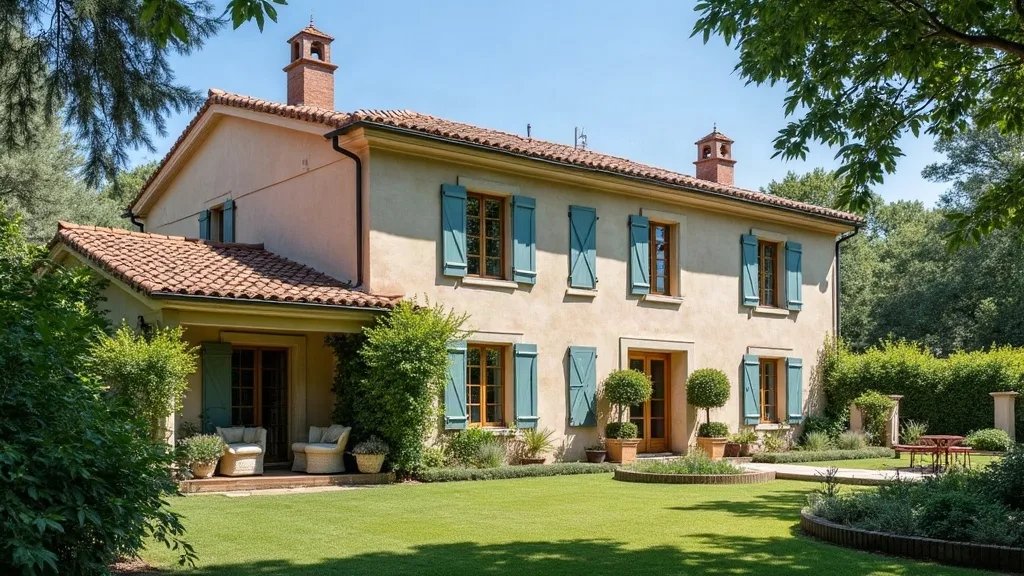
Since 1 January 2022, the RE2020 Environmental Regulation (Réglementation Environnementale 2020) has applied to all building permits filed for new construction, including in the Alpes-Maritimes (06) and Var (83) departments. This regulation succeeds RT2012 with stricter requirements, both for energy performance and the carbon footprint of buildings. For property owners and real estate professionals in Antibes, Cannes, Grasse, Nice or Toulon, understanding RE2020 is essential for anticipating costs, technical choices and project timelines.
The Three Core Requirements of RE2020
RE2020 rests on three pillars: energy efficiency, reduced carbon impact, and summer comfort. In practical terms, it requires:
- A primary energy consumption cap (Cep): the building must consume less than 100 kWh/m²/year on average, with a maximum threshold of 110 kWh/m²/year.
- A carbon impact cap (Ic): CO2 emissions linked to construction and operation are capped, with a maximum threshold of 600 kg CO2/m² over 50 years.
- Mandatory summer comfort: indoor temperature must not exceed 26°C for more than 300 hours a year during hot periods — a major issue given the Mediterranean climate of the 06 and 83 departments.
Adapting RE2020 to the Mediterranean Climate
In the Alpes-Maritimes and Var, the climate is marked by hot, dry summers, with increasingly frequent heatwaves. RE2020 accounts for this by requiring passive cooling solutions: window orientation, solar shading (sun screens, blinds), natural ventilation, and high thermal-mass materials. In Nice or Toulon, green roofs or dry-stone walls are commonly favoured to improve summer comfort without relying on air conditioning, which is heavily penalised in the performance calculation.
Impact on Costs and Construction Techniques
RE2020 drives up construction costs by an estimated 5% to 10% compared with RT2012, depending on the materials chosen. This increase stems from the use of bio-sourced materials (wood, straw, hemp) and higher-performance heating systems, such as heat pumps or solar thermal. For projects in Antibes or Grasse, it is advisable to carry out a technical feasibility study as early as the preliminary design stage, in order to optimise the choice of materials and equipment. Professionals must also factor in the new calculation method, which accounts for the building’s entire life cycle, from material production to demolition.
Pitfalls to Avoid in the 06 and 83 Departments
Common mistakes include: failing to meet summer comfort requirements (often overlooked), using overly carbon-intensive materials (such as large quantities of traditional concrete), and poor building orientation. For example, a house with large south-facing glazed openings and no solar protection will be penalised. In addition, RE2020 requires an airtightness check, which must be carried out by a certified body. As a building expert, I recommend bringing in a thermal engineering firm from the very start of the project, especially for detached houses in the Var, where site constraints (slope, exposure) are common.
Why Hire a Building Expert for Your RE2020 Project?
A building and surveying expert, such as Cassini Expertise, can support you at every stage: checking project compliance, reviewing plans, verifying thermal performance, and advising on materials suited to the local climate. In the Alpes-Maritimes (06) and Var (83), local geological and climatic conditions call for local expertise. For example, in Cannes or Toulon, clay shrink-swell risk can influence foundation design, and therefore the building’s carbon footprint. An expert helps you avoid extra costs and non-compliance issues.
Conclusion: Plan Ahead for RE2020 with a Local Expert
RE2020 is an opportunity to build more durable, more comfortable homes, but it demands precise technical adaptation. Whether you’re a homeowner in Nice, an investor in Antibes, or a professional in Grasse, it’s essential to work with experts who understand the specifics of the South-East. Cassini Expertise operates across the 06 and 83 departments, from Toulon to Menton, to support you with your new-build projects. Call us on 04 22 46 06 04 for a personalised quote and reliable expertise.
📅 Updated 20/07/2026 — By Cassini Expertise, independent building expert for departments 06 & 83. Free quote: 04 22 46 06 04.
Go further:
Frequently Asked Questions
What is RE2020 in the Alpes-Maritimes?
RE2020 is the environmental regulation applicable to new construction in France, including in the Alpes-Maritimes. It aims to reduce the carbon impact of buildings and improve their energy performance, with specific requirements for the Mediterranean climate.
What are the RE2020 requirements for detached houses in the 06 department?
For detached houses in the Alpes-Maritimes, RE2020 sets maximum energy consumption thresholds (Bbio, Cep, Cep,nr) and a carbon emissions threshold (ICconstruction). Summer comfort solutions, such as natural ventilation or solar protection, suited to the hot climate, must also be incorporated.
How is the carbon impact of a new building calculated under RE2020?
The carbon impact is calculated through a life cycle assessment (LCA) of materials and equipment, using the RE2020 method and data. This calculation is carried out with certified software, and the aim is to meet a maximum emissions threshold (ICconstruction), which becomes stricter over time.
Cassini Expertise
Expert du bâtiment indépendant — Antibes (06·83·13·40)
📅 Mis à jour le 25/09/2026 — Cassini Expertise, expert bâtiment indépendant (06·83·13·40).