In short. Clay shrink-swell (retrait-gonflement des argiles, or RGA) makes the ground move and cracks buildings, particularly in the Alpes-Maritimes, the Var and the Bouches-du-Rhône. We fit crack gauges to track how the cracks develop, analyse the soil, identify the cause, then write a report you can use with your insurer.
Clay shrink-swell (RGA) causes differential ground movement, which cracks buildings. The Alpes-Maritimes (06), the Var (83) and the Bouches-du-Rhône (13) are among the most affected départements in France. Cassini Expertise carries out full crack diagnoses.
Looking for a building expert in the Alpes-Maritimes (06)? Our dedicated page sets out what we do (cracks, off-plan purchases, RGA, second opinions) and how an assignment runs.
Our RGA Assessments
Crack monitoring
We install crack gauges across the cracks to follow how they develop and to compare their opening with periods of drought.
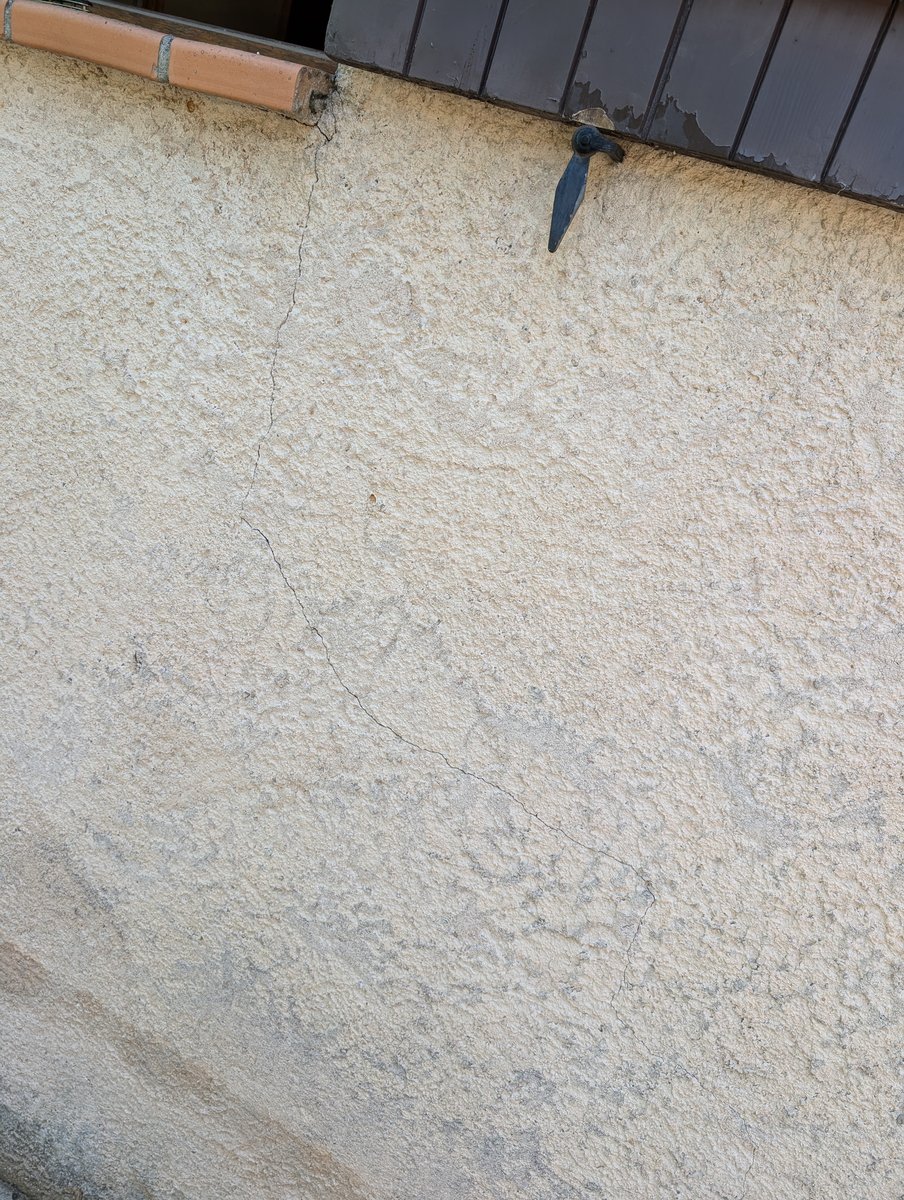
Soil analysis
Soil borings and identification tests (water content, Atterberg limits) show how prone the soil is to shrink-swell.
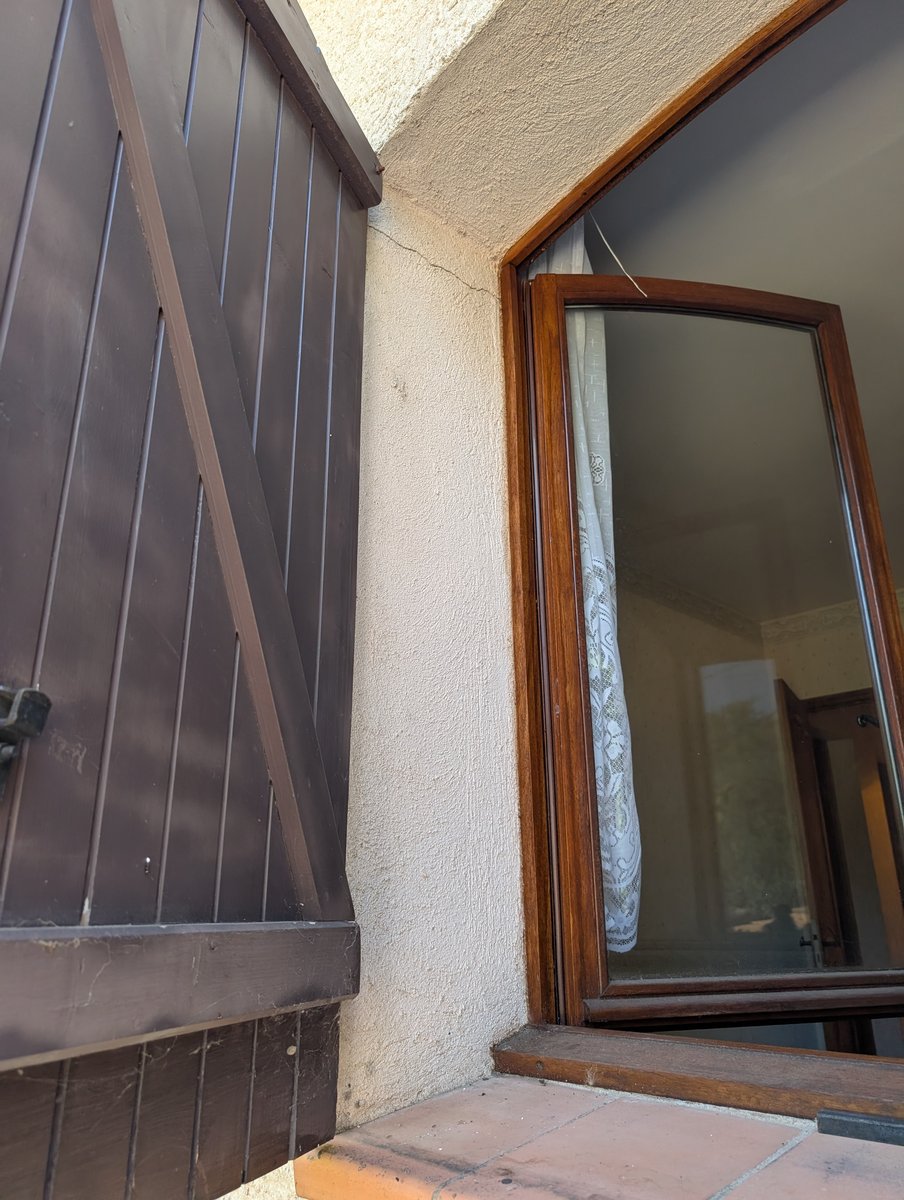
Structural diagnosis
We examine the foundations (depth, type and compliance with the applicable DTU, the French technical standards for building work) and the load-bearing structure.
CATNAT reports
Expert reports for CATNAT claims (natural-disaster cover; see the official guidance on natural disasters, in French) relating to drought damage.
Most Exposed Areas
Hazard levels vary from one street to the next. Check your own address on the BRGM clay map (Géorisques website). Our local pages bring together the official drought-damage data for these communes:
- Alpes-Maritimes (06): Antibes, Vallauris, Mougins, Cagnes-sur-Mer, Grasse, Le Cannet
- Var (83): Toulon, La Seyne-sur-Mer, Six-Fours-les-Plages, Hyères, Fréjus, Draguignan, Brignoles
Case study. Cracks in the facade and inside the house, drainage, an RGA context: see how a crack diagnosis assignment works in practice in the full case study (Cannes, 06), with photos and method.
About Clay Shrink-Swell and Cracks in the PACA Region
The Provence-Alpes-Côte d’Azur (PACA) region, and in particular the Alpes-Maritimes (06) and Var (83), is highly exposed to clay shrink-swell (RGA). This natural phenomenon, linked to changes in the water content of clay soils, produces differential ground movement that can seriously damage buildings. The resulting cracks are often the first visible sign of a problem. This page explains how cracks linked to RGA are diagnosed and what steps follow in the PACA region.
What Is Clay Shrink-Swell?
RGA is a ground movement that occurs when the clay in the subsoil shrinks in dry weather (shrinkage) and swells again as it rehydrates (swelling). These changes in volume cause differential settlement beneath a building’s foundations and can lead to structural damage. In the PACA region the most sensitive ground is predominantly clay, notably in sedimentary basins and alluvial plains.
Typical RGA Cracks
Cracks caused by RGA have some characteristic features:
- Diagonal or stair-step cracks: they usually follow the mortar joints and can run through load-bearing walls.
- Vertical cracks: often found at the corners of windows or doors.
- Horizontal cracks: sometimes appear low on walls and can be a sign of differential settlement.
- Skirting boards and floor tiles coming away: floor finishes can lift or crack.
- Doors and windows that stick: frames distort, making them hard to open.
These problems are often made worse by trees close to the building (which draw water from the soil) or by leaking pipes.
Professional assessment
When cracks appear, it is sensible to call on a geotechnical firm or a building expert. An assessment usually includes:
- A visual inspection of the cracks (location, width, movement).
- A soil investigation (borings, laboratory tests) to establish whether the ground is clay.
- An analysis of the possible causes (vegetation, drainage and so on).
- Monitoring of the cracks over time with plaster tell-tales or gauges.
Regulations and Compensation in the PACA Region
Drought-related soil movement can be covered under France’s natural-disaster (CATNAT) scheme, set out in the Insurance Code (art. L.125-1 onwards). Many communes in the Alpes-Maritimes (06) and the Var (83) lie in areas of medium to high RGA hazard. In general, to be compensated:
- The commune must be recognised as a natural-disaster area by an interministerial order.
- The damage must result from the drying and rewetting of the soil.
- The loss must be reported to your insurer within 30 days of the order’s publication (art. L.125-2 of the Insurance Code).
Contributing Factors and Prevention
Several factors can aggravate RGA damage, and they are examined during an assessment:
- Trees close to the building: roots draw water from clay soil. Guidance on planting distances is usually tied to the mature height of the tree.
- Leaking pipes: they change the moisture content of the soil.
- Drainage: water collecting near the foundations disturbs the soil.
- Foundations: for new builds, the type of foundation is chosen with the soil in mind, which is why a soil study matters.
Where damage is confirmed, any remedial work is a matter for specialist engineers and contractors. We do not carry out or prescribe repairs: our role is to establish the facts, measure, explain the causes and gauge how serious the damage is.
Conclusion
Diagnosing cracks linked to clay shrink-swell in the 06, 83 and 13 départements is a key step in protecting property and the people in it. Because drought episodes keep recurring in the PACA region, it pays to stay alert and to have the cracks assessed at the first signs. Do not wait for them to worsen: acting early keeps the compensation routes open and can limit more costly damage.
Related Articles
- RGA and drought in 2026: clay shrink-swell in the Alpes-Maritimes and the Var
- Structural or superficial cracks: how to tell them apart and when to worry
- Foundations without a soil study: the consequences and warning signs (06, 83 and 13)
Our Other Services
Cassini Expertise works across the 06, 83 and 13:
- Off-plan (VEFA) purchases in the 06, 83 and 13: delivery assistance and disputes
- Building second opinion in the 06, 83 and 13
- RGA and CATNAT drought claims in the 06, 83 and 13
Further Reading
Frequently Asked Questions
How can I tell whether my cracks are caused by clay shrink-swell?
Diagonal cracks (around 45°), often near corners or openings, that open and close with the seasons are typical. Only monitoring over time, with a crack gauge, confirms the diagnosis.
What is the deadline for a natural-disaster (CATNAT) claim?
You have 30 days from the publication of the ministerial order in the Journal officiel to report the damage to your insurer (art. L.125-2 of the Insurance Code).
What is clay shrink-swell (RGA)?
Clay soils swell when wet and shrink in dry weather. These volume changes cause differential settlement that cracks walls and foundations.
Why is my house cracking after a drought?
Clay shrinking beneath the foundations causes differential settlement: the structure does not settle evenly and cracks appear. This is clay shrink-swell (RGA), made worse by dry spells.
What does RGA zoning mean in the PACA region?
RGA stands for retrait-gonflement des argiles (clay shrink-swell). The BRGM maps the hazard (low, medium, high) across the region. This zoning affects natural-disaster (CATNAT) insurance claims and building requirements.
Drought and cracked house: what should I do?
Have the cracks assessed (tell-tales, crack gauge), check the RGA zoning of your commune, then report the damage to your insurer if your commune has been officially recognised as a natural-disaster area.
See also: Cracks and Clay Shrink-Swell (RGA): Guide for 06, 83, 13
Last updated 27 November 2026 - Cassini Expertise, independent building expert, departments 06, 83 and 13.