From September 2026, property owners and real estate professionals in the Alpes-Maritimes (06), the Var (83) and Bouches-du-Rhône (13) must adapt to a stricter regulatory framework for energy performance. The Energy Performance Certificate (EPC/DPE) and thermal studies are evolving, with tighter requirements for sales, rentals and renovation. This technical article covers the key changes and their practical implications for properties in Antibes, Cannes, Grasse, Nice or Toulon.
What’s new for the EPC in 2026
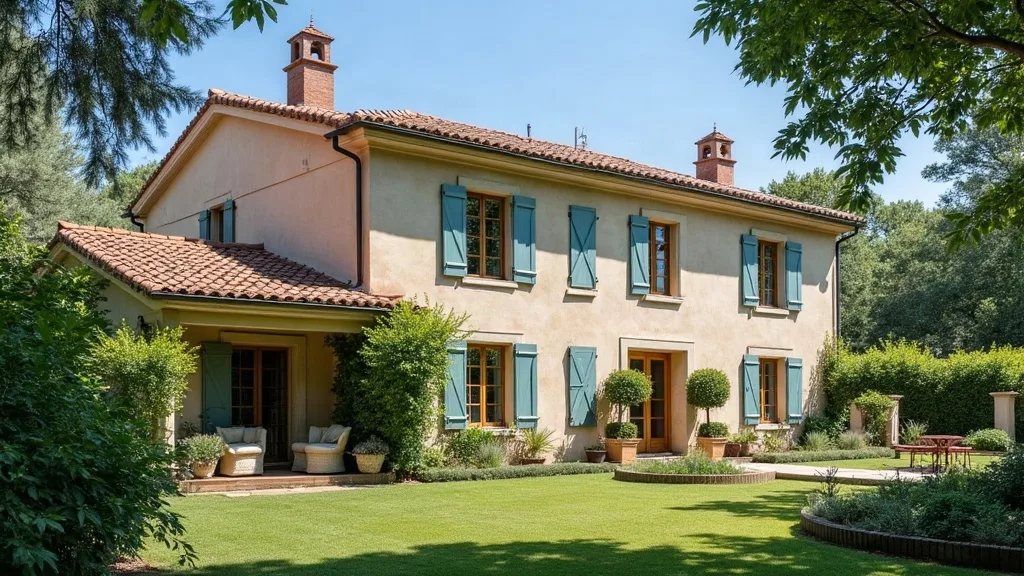
Since the new rules came into force, the EPC incorporates stricter criteria on summer comfort, particularly relevant in the South-East given how frequent heatwaves are. The 3CL calculation method (used for conventional energy consumption) has been revised to better account for a building’s thermal mass and overheating risk. As a result, a home in Grasse or the Nice hinterland may see its energy rating downgraded if it isn’t capable of staying cool enough in summer.
The EPC is now legally binding and puts the diagnostician’s liability on the line. Professionals therefore need to be even more rigorous when gathering data and analysing energy bills. For co-ownerships, a collective EPC is now mandatory for buildings with more than 50 units, with performance ratings displayed per unit.
Thermal studies: a lever for renovation
Thermal studies (RE2020-type or full renovation studies) have become essential for construction or renovation projects. In the Mediterranean context, the focus is on natural ventilation, solar protection and external wall insulation. Owners of villas in Antibes or Haussmann-style apartments in Nice need to plan ahead for these requirements to avoid unpleasant surprises once work begins.
Financial assistance schemes (MaPrimeRénov’, CEE) now make payouts conditional on a prior thermal study. This study defines a coherent renovation roadmap and helps size equipment (heat pump, solar water heater) to match the specific building and local climate.
Points of attention for professionals
- Check credentials: make sure your diagnostician is certified and insured for both the EPC and thermal studies.
- Account for microclimates: coastal properties (Cannes, Toulon) and those at altitude (Grasse hinterland) don’t have the same needs.
- Anticipate rental bans: since 1 January 2025, properties rated G are banned from rental in the 06, 83 and 13 departments. Class F properties will follow in 2028.
- Update listings: property listings must display the EPC rating and energy cost information, or risk penalties.
Impact on property value
A poor EPC rating (E, F or G) can reduce a property’s value by 10 to 20% in sought-after areas like Nice or Toulon. Conversely, a well-rated home (A or B) sells faster and at a better price. Buyers are increasingly sensitive to energy costs, especially as energy prices keep rising.
For real estate professionals, it’s essential to factor in this data from the valuation stage onward. A prior thermal study can reveal work that needs to be planned for and help avoid difficult negotiations later.
Support from Cassini Expertise
Based in the Alpes-Maritimes, Cassini Expertise operates across the 06, 83 and 13 departments. We do not issue EPCs or regulatory energy audits, which are reserved for certified diagnosticians. We observe, analyse and cost the defects that appear after energy-renovation works, for individuals and professionals alike. Cassini Expertise knows the specifics of Mediterranean-style buildings and local regulatory requirements inside out.
Whether you own an apartment in Antibes, a villa in Grasse or a building in Toulon, we’ll advise you on the best solutions to improve your property’s energy performance and bring it into line with the 2026 regulations.
Conclusion
As of September 2026, thermal regulations and the EPC are more critical than ever for real estate in the South-East. The Alpes-Maritimes (06), the Var (83) and Bouches-du-Rhône (13) are especially affected by the new summer comfort requirements and the phased ban on energy-inefficient properties. To avoid unpleasant surprises, call in a local expert.
Contact Cassini Expertise on 04 22 46 06 04 for a free quote covering the 06, 83 and 13 departments. We respond quickly in Nice, Cannes, Antibes, Grasse, Toulon and all surrounding towns.
Frequently Asked Questions
What’s changing with the 2026 EPC rules?
The new 2026 EPC rules in the 06, 83 and 13 departments introduce stricter energy performance criteria, better accounting for the impact of materials and equipment. Highly energy-inefficient homes (rated F and G) will need renovation work before they can be rented or sold. We recommend an energy audit now to get ahead of these changes.
When do the 2026 EPC rules take effect in the 06, 83 and 13?
The 2026 EPC rules take effect from 1 January 2026 across all of France, including the Alpes-Maritimes (06), the Var (83) and Bouches-du-Rhône (13). The new rules will apply to all diagnostics carried out after that date. Owners can start preparing their files now to be compliant in time.
Who is affected by the 2026 EPC rules in the 06, 83 and 13?
All property owners in the 06, 83 and 13 departments are affected, whether selling or renting. Properties rated F or G will be particularly targeted, as they will need renovation to reach a better energy rating. Co-ownerships and individual houses are also covered by these new obligations.
See also: RE2020: Thermal Regulations Challenges for New Construction · Dommages-Ouvrage Insurance 2026: Duties and Expert Role · RE2020: Public Buildings Under Pressure for Local Authorities
Survey carried out by Frédéric Faucouneau, independent building expert – Antibes, Alpes-Maritimes (06), Var (83), Bouches-du-Rhône (13). Find out more
📅 Last updated 17/10/2026 - Cassini Expertise, independent building expert – departments 06, 83 and 13.